
Specialized Eating Disorder Treatment
When food transforms from a source of life into a tool for control, secrecy, or self-punishment, the soul is in a state of crisis. In my years of clinical practice in Rawalpindi, I have observed that an eating disorder is rarely “about the food.” It is a sophisticated, internal survival strategy, a way for the brain to navigate overwhelming anxiety, trauma, or a perceived loss of autonomy.
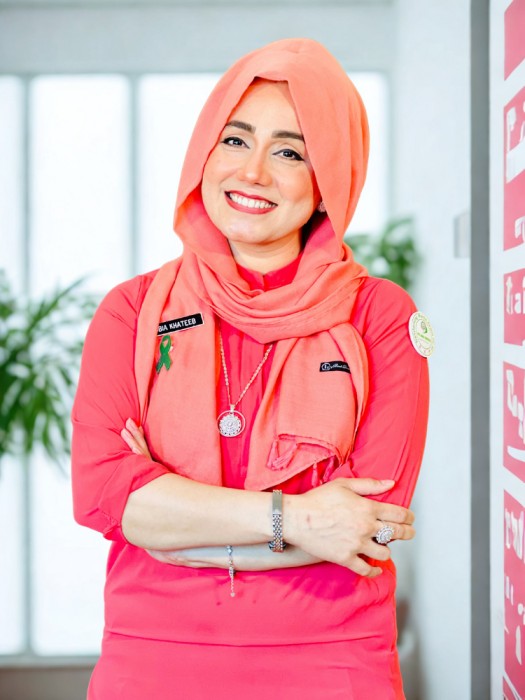
My name is Psychologist Sobia Khateeb, and I lead this department with a singular mission: to provide a luxury, expert-led sanctuary where the complex etiology of eating disorders is deconstructed and healed. This is the premier destination for eating disorder treatment in Pakistan and for our international clients seeking online mental health therapy. We don’t just manage symptoms; we architect a new relationship between your mind, your body, and your plate.
The Sobia Khateeb Clinical Exam
Entering our eating disorders department begins with a high-touch, multi-dimensional assessment. We do not believe in the “weight-first” approach common in traditional clinics. We believe in the “Mind-First” approach. As your psychologist, I personally conduct a clinical exam that looks deep into the psychological causes of eating disorders.
Phase 1: The Narrative Inquiry
We begin by discussing your history with food, but we go much deeper. I ask questions designed to uncover the disordered eating behaviors that often hide in plain sight:
- “At what age did your body become something you felt you had to ‘manage’ rather than inhabit?”
- “Does the ‘voice’ of the disorder feel like your own, or does it feel like a hostile intruder?”
- “How does your anxiety intersect with your eating habits—does restriction provide a sense of calm, or does a binge provide a sense of escape?”
Phase 2: Somatic and Biological Assessment
While we are a psychological center, we acknowledge the biological causes of eating disorders. We review your energy levels, hormonal health, and sleep patterns. We investigate the eating disorders caused by stress in your professional or domestic life in Rawalpindi, ensuring we understand the environmental “triggers” that sustain the disorder.
Phase 3: The Formulation
I develop a clinical formulation based on the eating disorder diagnostic criteria (DSM-5). This isn’t just a label; it’s a map. It tells us whether we are dealing with a compulsive eating disorder, a restrictive pattern, or a compensatory cycle.
Causes of Mood Disorders
We provide a comprehensive list of eating disorders interventions, each led by a specialized eating disorder therapist. We treat every case with the discretion and high-level care that defines our luxury practice.
1. Anorexia Nervosa: The Architecture of Restriction
Anorexia is perhaps the most visible of the major eating disorders, characterized by a relentless pursuit of thinness and a distorted body image. However, clinically, it is a disorder of “Over-Control.”
In our eating disorder treatment, we move beyond the scale. We use behavioral therapy and counseling to challenge the “Anorexic Voice.” We look at the perfectionism that often fuels this condition in high-achieving eating disorders in girls and women. We help you transition from “existing” to “living,” restoring not just your weight, but your personality and passion.
2. Bulimia Nervosa: Breaking the Shame Cycle
Bulimia is a cycle of “Binge and Purge” that thrives in the shadows. It is often fueled by anxiety and eating disorders working in tandem. The “binge” is an emotional release; the “purge” is an attempt to undo the “mistake.”
Our eating disorder therapy techniques for Bulimia focus on “Interceptive Awareness” teaching you to recognize the physical signs of emotional distress before the cycle begins. We break the shame by providing a non-judgmental, luxury environment where you can finally speak the truth about your struggles.
3. Binge Eating Disorder (BED): Reclaiming Intuitive Choice
Binge eating disorder symptoms are frequently misunderstood as a lack of discipline. This is a dangerous misconception. BED is a recognized clinical condition where the brain’s reward system is hijacked by stress and emotion.
Our binge eating disorder treatment is the most sought-after in Rawalpindi. We don’t put you on a “diet” diets are often the causes of eating disorders. Instead, we focus on binge eating disorder recovery through:
- Emotional Regulation: Learning how to sit with “big feelings” without using food to numb them.
- Cognitive Reframing: Identifying the binge eating disorder causes found in your internal dialogue.
- Stabilization: Using binge eating disorder therapy to normalize eating patterns and eliminate the “all-or-nothing” mindset.
4. PICA and Other Specific Eating Disorders
What is an eating disorder like PICA? It is the persistent eating of non-nutritive, non-food substances. While often categorized as eating disorders in children, it can be a sign of significant psychological or biological distress in adults as well. We investigate the etiology of eating disorders of this nature to find nutritional deficiencies or sensory processing issues that may be at play.
The "Why" Behind the Disorder
To truly how to deal with eating disorder, one must understand the “why.” How do people get eating disorders? It is never one thing. It is a “perfect storm” of:
The Psychological Etiology
Most psychological causes of eating disorders stem from a need for safety. If your world feels chaotic, controlling your caloric intake (Anorexia) or your output (Bulimia) provides a temporary, albeit false, sense of mastery.
The Biological and Genetic Factor
Research shows that biological causes of eating disorders include a genetic predisposition toward high anxiety and perfectionism. Changes in brain chemistry, specifically the way your brain processes serotonin (mood) and dopamine (reward) can make you more susceptible to disordered eating behaviors.
The Cultural Intersection in Pakistan
In Rawalpindi and throughout Pakistan, we see unique pressures. Eating disorder in girls and eating disorders in women are often exacerbated by the dual pressure of traditional family roles and modern “beauty” standards filtered through social media. This “cultural weight” is something we address specifically in our local SEO-focused care.
Why Choose the Sobia Khateeb Eating Disorders Department?
Standing at the top of the field in Rawalpindi requires more than just a degree; it requires a commitment to the “Bespoke Experience.”
- Specialist-Led Authority: I, Psychologist Sobia Khateeb, personally design and review your recovery arc.
- Zero-Judgment Luxury: We provide a space where you can be vulnerable without fear of shame.
- Comprehensive Diagnostic Exam: We find the psychological causes of eating disorders that others miss.
Integrative Approach: We address the anxiety and eating disorders together, ensuring a stable, long-term recovery.
Get appointment
How We Stand Out vs Competitors
When comparing Psy. Sobia Khateeb Family Clinic with other psychologists in Islamabad, here’s what sets us apart:
| Feature | Our Clinic | Competitors |
|---|---|---|
| Female Psychologist Available | ✅ Yes | ❌ Often not available |
| Online Therapy Across Pakistan | ✅ Yes (Zoom, WhatsApp, Meet) | ❌ Limited options |
| Specialized in Couples & Family Therapy | ✅ Yes | ❌ Not always specialized |
| Child & Adolescent Counseling | ✅ Yes | ❌ Not always offered |
| Affordable & Flexible Packages | ✅ Yes | ❌ Higher or unclear fees |
| Holistic & Confidential Care | ✅ Yes | ❌ Varies |
This makes Psy. Sobia Khateeb Family Clinic one of the top choices for mental health care in Islamabad, Rawalpindi, and across Pakistan.
Benefits of Therapy with a Professional Psychologist
1. Improved Mental Health
Therapy helps reduce depression, anxiety, stress, and trauma, making clients feel calmer and more balanced.
2. Better Relationships
Through marriage counseling and couple therapy, partners learn to rebuild trust, intimacy, and healthy communication.
3. Personal Growth & Confidence
Many visit a therapist in Islamabad for self-discovery, career clarity, and confidence-building.
4. Healing for Children & Teenagers
A child psychologist in Islamabad helps kids manage behavior, stress, and academic pressures with early support.
5. Accessible Care Anywhere in Pakistan
With online therapy in Pakistan, you can access expert care from Islamabad, Lahore, Karachi, or any city nationwide.
Professional Psychological Support in Islamabad, Rawalpindi & Nationwide
At Psy. Sobia Khateeb Family Clinic, we proudly serve patients across Islamabad, Rawalpindi, and major cities in Pakistan through online psychologist services.
Islamabad
Serving F-7, F-8, Blue Area, G-10, DHA, Bahria Town, and nearby areas.
Rawalpindi
Supporting Saddar, Bahria Town, Chaklala, Peshawar Road & nearby localities.
Across Pakistan
Available in Lahore, Karachi, Multan, Faisalabad, Quetta, Peshawar, Sialkot, Gujranwala & more via online sessions.
Whether you’re looking for Best Psychologist in Islamabad, Best Female Psychologist in Islamabad, or an Online Psychologist in Pakistan — trusted support awaits you at Psy. Sobia Khateeb Family Clinic.
Testimonial
Trust & Credibility – What Our Clients Say
Real patient stories prove that with the right psychologist, recovery and growth are possible.
Schedule a Confidential Session Now
Take the First Step Toward Mental Wellness Today
- Call Us Directly
- WhatsApp for Quick Appointment
- Book Online Therapy Session Anywhere in Pakistan
Your journey toward healing begins with just one call. Don’t wait — your mental health matters.
We Are Also Available on Marham and Oladoc
At Psy. Sobia Khateeb Family Clinic, we believe in making mental health care easily accessible for everyone. That’s why, along with direct booking from our website, you can also connect with us through Pakistan’s most trusted healthcare platforms — Marham and Oladoc.
Through these platforms, patients can read reviews, compare services, and book appointments with ease. Whether you’re looking for the best female psychologist in Islamabad, a therapist in Rawalpindi, or online therapy in Pakistan, our profiles on Marham and Oladoc make it convenient for you to access reliable psychological support.
Frequently Asked Questions (FAQs)
Disordered eating refers to a range of irregular eating behaviors (like fad dieting or occasional emotional eating). An eating disorder is a diagnosed mental illness that meets specific eating disorder diagnostic criteria, involving significant physical and psychological impairment.
Signs of an eating disorder include an obsession with food/calories, disappearing to the bathroom after meals, excessive exercise despite injury, and dramatic weight fluctuations. Early signs of an eating disorder often manifest as "picky eating" that becomes increasingly restrictive.
We provide an environment that removes the "clinical" coldness. Treatment involves a mix of CBT-E (Enhanced Cognitive Behavioral Therapy), DBT for emotional regulation, and family-based interventions. Our eating disorder therapy techniques are the gold standard globally.
How to prevent eating disorders in children and teens?
Prevention involves focusing on "Body Neutrality." As parents, we must stop commenting on bodies, our own and others'. Our eating disorders in teens program works with the whole family to create a home environment where self-worth is not tied to a dress size.
A Bespoke Experience in Mental Wellness
Choosing to treat a depressive mood disorder or bipolar condition is a brave step toward a high-performance life. At my clinic, we provide a luxury environment where your privacy is guaranteed and your progress is our only metric of success.
Whether you are seeking help for yourself or looking for mood disorders in children, we provide the expertise of a certified mental health counselor with a deep understanding of the local context of Rawalpindi and the global standards of psychological care.